


If you’re planning to start a new adventure in your favorite hobby, chances are you’re aiming for a harvest packed with large, dense, and resinous buds. The question you’re probably asking yourself is: Which week do buds fatten up the most? At Sweet Seeds®, we offer premium cannabis seeds to ensure your flowers exceed your best expectations.
Furthermore, by following our guide on how to fatten buds, you’ll achieve exceptional harvest results!
In this article, we’ll explore all the data to determine which week buds gain the most weight and share everything you need to know about cannabis growing. Ready to dive in?
When Do Buds Start Fattening Up?
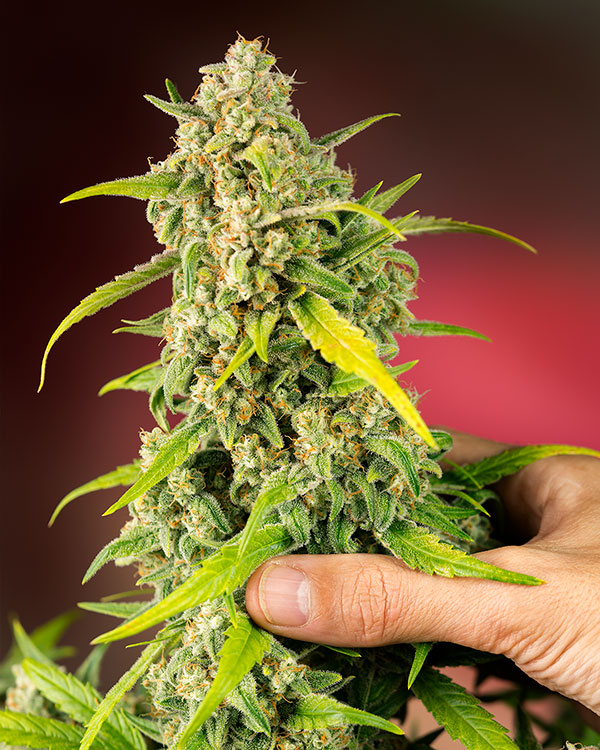
Buds begin forming in the very first week of the flowering stage. At this point, you’ll notice the emergence of the first white hairs, known as pistils or stigmas. However, the real fattening process becomes evident closer to the end of the plant’s life, as the calyxes swell and cluster together, shaping the final bud. This timeline varies depending on the strain—indicas and sativas differ significantly—but as a general rule, bud fattening typically occurs between the 4th and the 7th week of the flowering stage. By week 9, the process slows or stops entirely. Keep in mind that this is a general guideline and more applicable to hybrids, indica-dominant strains, or pure indicas.
If you want to know how to fatten buds, the key to achieving large, dense flowers lies in applying optimal growing techniques throughout the plant’s lifecycle, with particular care during the flowering phase.
How to Fatten Buds During the Flowering Stage
In the cannabis plant, buds grow continuously from the beginning of the flowering stage until harvest. However, without proper care, your harvest could result in small, underdeveloped buds. Follow these essential tips to achieve dense and robust buds:
- Provide Proper Nutrients: Supply your plants with all the nutrients they need at every stage of development. When entering the flowering phase, switch to nutrients specifically designed for flowering. Use bloom boosters and fertilizers formulated for this stage, which are typically rich in phosphorus and potassium. These macronutrients are crucial for bud development during flowering.
- Maintain a Healthy Grow Space: Keep your grow area clean, organized, and optimized for the right climate conditions. Ensure adequate ventilation and a steady supply of fresh air. Carbon dioxide (CO2) is especially vital for bud growth, so constant access to fresh air is necessary. If you’re an experienced grower and all the other parameters are optimized, consider supplementing with additional CO2 to maximize bud size.
- Use High-Quality Lighting: Ensure your plants receive all the lighting with the right intensity and spectrum. Plants utilize light within the PAR (Photosynthetically Active Radiation) spectrum of 400–700 nm throughout their life cycle, but during flowering, ideal wavelengths range from 600–780 nm, including infrared. Specific grow lights tailored for each growth stage are available at shops dedicated to cannabis growing, usually known as grow shops. At the start of flowering, plants exposed to more intense light tend to develop more foliage and ultimately produce larger, higher-caliber flowers.
- Add Molasses or Sugars: During the final days of your plant’s life cycle, adding molasses or sugars to your nutrient solution is an excellent option to fatten buds and give them a significant boost. These ingredients are rich in micro and macronutrients, minerals, and vitamins, which support beneficial soil microbes and fungi. This can help stimulate growth and result in larger, denser buds.
When CO2, nutrients, water, and temperature are optimized, flower production directly correlates to the amount of light intercepted by the plant canopy. To maximize your buds‘ fattening potential, invest in quality lighting and avoid cutting corners on this critical resource. Keeping the highest possible number of buds at the shortest distance possible from the light is also important for fattening up your buds to their fullest potential.
When Do Buds Stop Fattening?
Until which week of the flowering stage do buds fatten? This varies depending on the plant and growing method, but generally speaking, after about 9 weeks in the flowering stage, buds begin to slow down in their fattening process. For autoflowering strains, the process happens more quickly due to their accelerated life cycle.
During the final weeks, just before harvest, buds mature by becoming more compact and coating themselves with abundant resin. This resin is composed of trichomes, which also swell impressively in the last weeks of flowering. Additionally, during this stage, the buds’ flavor and cannabinoid levels will increase significantly.
Tips on How to Fatten Buds
Now we’ve reached the part that interests us the most: sharing all the tricks on how to fatten buds during the final weeks of flowering.
Proper Lighting
We all know that lighting is one of the most important factors in plant development. Whether growing indoors or outdoors, it’s essential to understand the type and amount of light needed for optimal growth during each stage of the cannabis plant’s life cycle.
Indoor Lighting
For indoor grows using photoperiod-dependent seeds, plants require 18 hours of light per day during the vegetative stage and 12 hours during the flowering stage.
If you’re growing autoflowering seeds indoors, 18 to 20 hours of light per day are necessary throughout their entire lifecycle. Remember, autoflowering seeds don’t rely on light cycles (photoperiod) to start flowering.
For both types of seeds, use LED lights or bulbs with the appropriate spectrum, specifically designed for either vegetative growth or flowering, and ensure they provide the proper intensity. This way, you’ll deliver the right light spectrum and power needed for each stage of development.
Nowadays, there are also mixed-spectrum bulbs available, suitable for the entire growing process. However, they aren’t as efficient as bulbs specifically tailored for either growth or flowering stages of cannabis plants.
Lighting Outdoors
In this case, your plants will depend on the climate in your area, so you should always try to take advantage of the seasons with the most sunlight hours (spring and summer) to ensure proper plant and bud development.
Proper Spacing
Generally speaking, the more space you provide to each plant, the better their growth and development will be.
Indoor Spacing
Using 5 to 7 liter pots, you can fit between 10, 12, or even up to 16 plants per square meter under the same grow light.
We don’t recommend using smaller pots as they can restrict root development, resulting in smaller plants and, consequently, smaller buds. If you opt for smaller pots, you should increase the number of plants per square meter to compensate.
Outdoor Spacing
If you have a large outdoor area, spacing won’t be an issue—each plant will have plenty of room to grow. However, make sure to dig a good-sized hole and fill it with high-quality soil for optimal results.
On the other hand, if you’re growing on a balcony or terrace, it’s essential to use large pots. This will allow your favorite cannabis plants to develop a strong root system and grow properly.
Temperature and Humidity
Another crucial factor that the grower must monitor closely is temperature and humidity, as they play a vital role in the development of buds.
Indoor Temperature and Humidity
The recommended temperature range for indoor cannabis growing is between 22°C and 25°C (72°F to 77°F), staying within 18°C to 28°C (64°F to 82°F) at all times. Cooler temperatures toward the end of the flowering phase can stimulate terpene production in the trichomes, enhancing the potency and quality of aromas. To maintain these conditions, use a thermo-hygrometer to monitor the environment. If you notice a temperature increase, you’ll need to boost the power of your fans, air renewal systems, or extraction units to lower it.
Conversely, if the temperature drops, consider using heaters, reducing the power of your air extractor, or employing electric heating mats.
Humidity is closely tied to temperature, and it’s crucial to maintain a balance between the two. Any imbalance can prevent your plants from breathing properly through their stomata.
Outdoor Temperature and Humidity
When growing outdoors in pots, the temperature of the substrate can pose a challenge, particularly during the hottest months. If temperatures exceed 40°C (104°F), the roots may suffer, negatively affecting the plant’s development.
If this happens, consider these measures:
- Use white pots: They reflect heat and help maintain cooler root temperatures.
- Group plants together: This allows them to provide mutual shade, reducing direct sun exposure.
- Apply soil covers or mulching: Cover the pots or soil with suitable materials to shield them from heat and prevent the roots from overheating. A double clay pot technique is another effective way to maintain a stable root temperature.
- Water during cooler parts of the day: Water either early in the morning or late in the evening when sunlight is less intense.
- Relocate plants: Move the plants to a more ventilated or shaded area to protect them from extreme heat.
Choosing the Right Substrate
Investing a bit more in high-quality substrates especially designed for cannabis growing is always worth it. A well-aerated and nutrient-enriched substrate will be your best ally!
With a good quality substrate, root development will be more vigorous. And as we know, a better root system means improved nutrient absorption, leading to healthy plant growth and thicker, denser buds.
Using Insecticides
At Sweet Seeds®, we always emphasize that prevention is the best defense. Carefully inspect all your plants on a daily basis for any signs of pests.
Plants under attack from pests or fungi can halt the bud-fattening process. That’s why it’s crucial to apply preventive measures, especially during the vegetative and pre-flowering stages. However, always remember to avoid using insecticides once the buds start to form.
Fertilizers
Throughout the complete plant’s life cycle, from growth to flowering, it’s crucial to fertilize with the specific products required by the cannabis plant at each stage. In the subject of fertilization, it’s important that you pay careful attention if you want to know how to fatten buds.
- Growth Fertilizers: Apply root stimulators and growth-specific fertilizers. During this phase, the plant needs a continuous supply of nutrients to grow strong and healthy, developing a structure and root system capable of supporting the buds that it will produce at a later stage.
- Flowering Fertilizers: Use bloom stimulators and high-quality nutrients, but do so in moderation, as over-fertilization can be harmful to the plants. This stage is the most critical for achieving large, dense buds. The use of enzymes and flushing the substrate, especially when growing in pots, will help break down or remove accumulated salts from the soil mix.
How to Make a Good Homemade Fertilizer
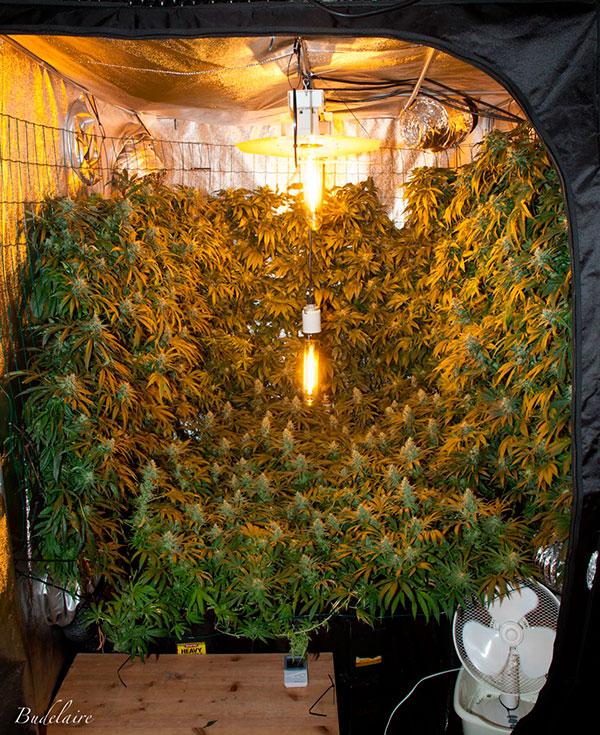
At Sweet Seeds®, we’ll show you how to prepare a homemade fertilizer for the flowering stage. With this method, you can grow massive buds in an economical and eco-friendly way.
Wood Ash
When wood is burned, it produces ash, which is rich in phosphorus and, most importantly, potassium—essential nutrients for the flowering stage. Be sure to use wood free of chemicals, paint, or varnishes.
To apply the ash, we recommend mixing 2 grams of wood ash per liter of water in your nutrient solution. You can use it as a supplement, combining it with flowering boosters to achieve even better results.
Banana Tea or Bio PK
Bananas, as you may know, are an excellent source of potassium, making them one of the ideal ingredients for an outstanding cannabis flowering phase.
Adding aloe vera into the soil mix further enhances the benefits exponentially. These include stimulating plant growth, improving nutrient absorption, strengthening the plant’s immune system, increasing stress tolerance, aiding in the healing of wounds and damage, and boosting flowering while producing higher-quality buds, covered with a thick layer of aromatic resin.
Here are the ingredients for this homemade organic fertilizer recipe:
- 4 banana peels
- 300 grams of molasses
- 20 grams of leonardite
- 1 Aloe Vera leaf
Preparation process:
- Chop the banana peels and place them in a container to macerate for 5 days.
- Boil the peels in water over low heat for 15 minutes. Let them rest for 5 hours with the lid on.
- Strain the resulting liquid, obtaining a sweet, brown liquid.
- Cut the Aloe Vera leaf into pieces and soak the pieces overnight to remove the yellowish sap, which can be toxic. Wash thoroughly.
- Blend the Aloe Vera pieces in a food processor, then strain using a fine mesh strainer or sieve to achieve a smooth consistency.
- Mix the banana tea, Aloe Vera, molasses, and leonardite in a blender, blending them until achieving a uniform mixture. You can adjust the amount of molasses to reach a consistency similar to commercial bio PK fertilizers.
Following these steps will yield a homemade bio PK fertilizer comparable to commercial products, providing an affordable, eco-friendly alternative to promote plant health and growth.
The Best Stage to Fatten Buds
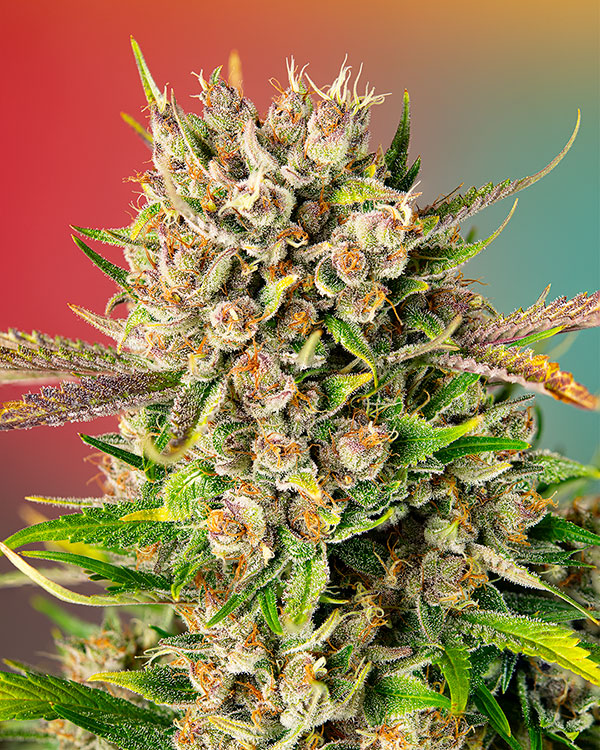
As you may have concluded, the weeks when buds fatten the most are typically between weeks 4 and 8 from the start of your plants’ flowering phase.
If you dedicate the necessary time and care, your cannabis growing operations will reward you with enormous, rock-hard buds coated in aromatic resin.
Contact Us
Now you know when buds fatten the most and everything you need to achieve your goals. Apply all the tips on how to fatten buds during the final weeks, and success is guaranteed!
At Sweet Seeds®, we invite you to share your experience with fattening buds through our social media platforms on Instagram, Facebook, Telegram, and X (Twitter).
Sweet Seeds S.L. is not responsible for any misuse of the information provided in this article. Growing Cannabis may constitute a criminal offense or administrative infraction; please check the Cannabis legislation applicable in your place of residence. Sweet Seeds S.L. does not, under any circumstances, intend to promote illegal practices.


- How to Use Bat Guano in Cannabis Cultivation - 25. 2. 2026
- Growing Marijuana Indoors with LED Lights - 26. 9. 2025
- Differences Between Cannabis Indica and Cannabis Sativa - 26. 9. 2025